
When I moved to Sydney about twenty years ago from the UK my overwhelming sense was relief. I’d been there for 15 years, and always felt like an outsider: the weather was a shock after Mairangi Bay, and the joy that the English take in being miserable always baffled me.
But in terms of the workplace I found Australia similar to Britain, including the health and safety culture. So when I finally got back home to NZ a year later, one of the most startling differences was the indifference when it came to safety. Jokes about paper cuts and a general ambivalence seemed to be normal.
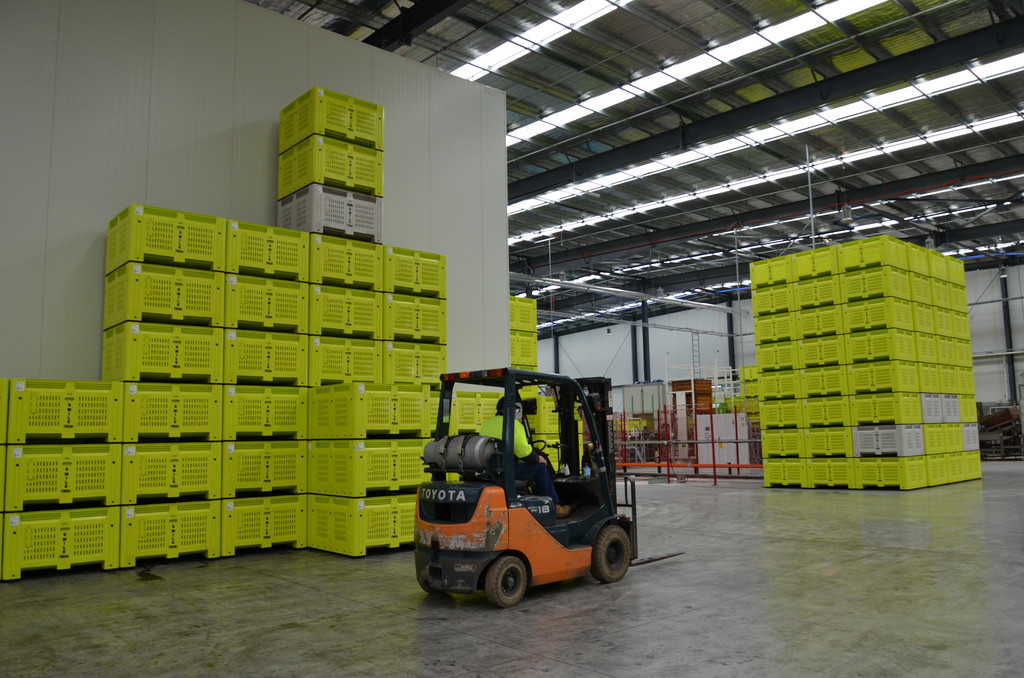
I was reminded of this at a board meeting the other day. While the risk within the firm is low, the team spend time on client sites that have machinery that can seriously hurt people, so the risk goes beyond the boundaries of control. This isn’t an excuse to ignore threats, no longer can we simply say that’s someone else’s problem. I’ve worked at the coal face on sites ranging from nuclear power stations to breweries, and I know that it is not a joke when someone is hit by a fork-hoist or a gas bottle explodes.
As a board we actively probe what measures are put in place on our customers sites, and more importantly what the observed culture is like – we are looking for examples where customer staff are seen to promote positive safety behaviours, such as pulling up colleagues for unsafe actions. This is a surveillance process, and it includes direct observations by Directors.
We log threats and hazards (i.e. unquantified risks). That is the initiation of a workflow process – the approach you take to make sure problems are captured and dealt with.
But at this firm we don’t run a risk register – we see that as the tail end of the process, and will get to it when the business is more mature.
Risk registers are, well, risky. They play to a number of our cognitive failings. A list often fails to drive action – hazards must be actively managed to an acceptable level, but people may feel that putting them on a list is sufficient. Keeping a long list of green ‘risks’ gives a false sense of comfort, and increases strategic risk.
The classic spreadsheet form that we see for most risk registers is really a report, perhaps a decision support tool. That is fine, but it often fails to drive process. Frankly most I’ve seen over the years were used for all sorts of things (including as a way to stifle concerns or placate regulators), but at best only give the illusion of control.
The enactment of our new Safety legislation was only the beginning of a cultural shift we need to undertake as a nation. I’m pleased that it appears to be driving some genuine and long overdue attention in this area. It is disappointing to still hear people whining that they can be held personally liable for harm in an area for which they are responsible, but this does seem to be fading as they grasp why this change was necessary.